Fox Wild: Injecting Playful Energy into Your Creative Projects
Every designer has faced the challenge of finding a typeface that doesn't just sit there but actually jumps off the page. When a project calls for high energy, youthfulness, or a distinct sense of fun, standard sans serif fonts often fall flat. This is where Fox Wild enters the conversation. It is a lively and playful display font designed specifically to break the mold of conventional typography. If you are working on a brand identity that needs to feel approachable, or a social media campaign that requires immediate attention, understanding how to harness the bold, expressive nature of this typeface is key to success.
Understanding the Anatomy of Fox Wild
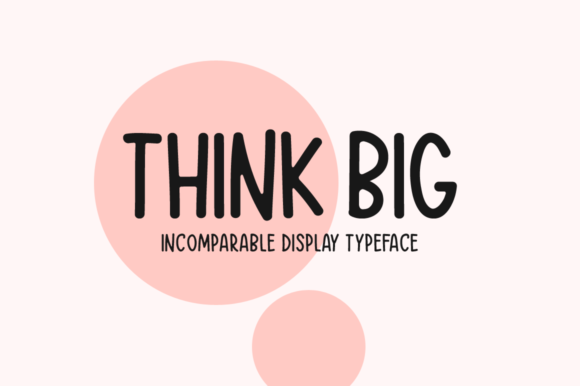
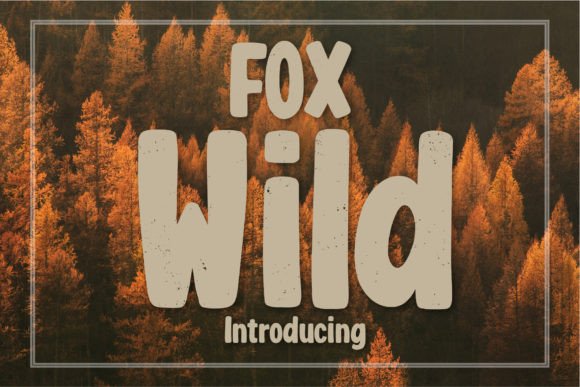
At its core, Fox Wild is a premium font that prioritizes personality over neutrality. Unlike the quiet efficiency of a standard text font, this creative font features bold, expressive characters that seem to vibrate with movement. The visual characteristics are defined by a certain "bounce" in the baselines and a distinct lack of rigid structure, which gives it an organic, hand-crafted feel. It doesn't just spell out words; it performs them.
The style leans heavily into modern typography trends that favor authenticity and warmth. It avoids the sharp, geometric edges of futuristic design in favor of softer, more inviting curves. This makes it an excellent choice for projects where you want to bridge the gap between professionalism and approachability. It is a typeface that feels human, suggesting that there is a real person behind the brand rather than a faceless corporation. The weight of the strokes is often varied, mimicking the pressure of a pen or marker, which adds to its tactile appeal.
Strategic Applications: Where Fox Wild Shines
Knowing a font looks nice is one thing; knowing where to deploy it is another. Because Fox Wild is a display font, it is not intended for long-form body copy like blog posts or novels. Its strength lies in impact and immediacy. Here is how different professionals can utilize this typeface effectively:
- Logo Design and Brand Identity: For entrepreneurs and small business owners, particularly in sectors like children's education, pet care, food trucks, or lifestyle blogging, Fox Wild offers a distinct voice. It helps build a brand identity that feels energetic and welcoming.
- Packaging Design: On a crowded shelf, packaging design needs to grab attention instantly. Using this bold typeface for product names can make a box or label pop, conveying a sense of joy or excitement before the customer even reads the description.
- Editorial Design and Publishing: Publishers and magazine editors can use Fox Wild for pull quotes, subheadings, or feature titles. It breaks up the monotony of traditional serif font or sans serif font layouts, adding a visual "palate cleanser" that keeps readers engaged.
- Web Design and Digital Media: In the digital space, where attention spans are short, this font works beautifully for hero sections, call-to-action buttons, or banner graphics. It ensures that your key message is impossible to miss.
The Psychology of Engagement
Typography influences how an audience perceives a message before they even process the semantics. The visual hierarchy established by Fox Wild signals that the content is likely informal, fun, or creative. This psychological priming is vital for marketers. If you are promoting a weekend sale or a community event, this font sets the mood immediately. It lowers the barrier to entry, making the viewer feel at ease and more likely to engage with the content. However, it is crucial to ensure that the font's personality aligns with the specific product; using a playful display font for a serious legal firm, for example, would create a jarring disconnect.
Practical Guide to Pairing and Implementation
One of the most common mistakes in design is using a creative font for every piece of text. Because Fox Wild has such a strong personality, it needs to be balanced with something more subdued. This is where font pairing becomes an essential skill.
To maintain readability and visual hierarchy, pair Fox Wild with a clean, geometric sans serif font or a classic serif font for your body text. For instance, if you use Fox Wild for a headline on a poster, use a font like Helvetica, Open Sans, or Garamond for the details. This contrast allows the headline to stand out while ensuring the supporting information remains legible. The goal is to let Fox Wild do the heavy lifting for the "emotion" of the design, while the secondary font handles the "information."
- Evaluate the Context: Before applying the font, look at the surrounding design assets. Does the color palette match the font's energy? Is the imagery as dynamic as the typography?
- Check the Licensing: Always ensure you have the correct commercial font license for your intended use. Whether it is for a client's logo or a mass-produced t-shirt, respecting font licensing protects you legally and supports the type designers who create these tools.
- Test for Readability: While the font is legible at larger sizes, always test it in the specific environment where it will live. A font that looks great on a desktop screen might look cluttered on a mobile device if the kerning is too tight.
Final Thoughts on Creative Execution
Fox Wild is more than just a collection of glyphs; it is a design asset that brings cheer and originality to the table. It challenges designers to think outside the box of safe, corporate typography and experiment with bolder choices. Whether you are a crafter making invitations, a marketer designing social media graphics, or a publisher looking to refresh a layout, this typeface offers a reliable way to inject life into your work. By respecting its nature as a display font and pairing it thoughtfully, you can ensure your designs not only stand out but also communicate the right message with clarity and style.